Design Notes
Notes from my prep, not rules for your table.
Neolegacy’s Grand Codex is where I share campaign materials, tools, and notes that started as prep for my own table.
I am not approaching this as a professional tabletop designer, or as someone trying to define the right way to run a campaign. I am a DM with a long-running home game, a background in game production and operations, and a tendency to spend too much time on the parts of a campaign I want to land well.
The materials here come from that habit. Some are practical companions or workbooks. Some may become reflections on how I approached a particular problem. Some may eventually become paid projects, mostly because turning table prep into polished artifacts takes time, and because I enjoy the craft of making something clean enough to share.
If something here helps your table, use it. Change it. Ignore whatever does not fit.
What I Tend to Care About
The campaigns I like building usually come back to a few recurring interests: connected stories, active pressure, and earned payoff.
I like when campaign pieces begin to connect over time. A detail from an early session returns with new meaning. A side character matters more than expected. A villain’s plan is not waiting politely in the final chapter, but moving while the players are elsewhere.
I also like when pressure is visible. That does not mean every campaign needs a hard clock or constant escalation. It means the world should feel like it is changing. Rivals act. Costs accumulate. Victories create new problems. The players should be able to feel that their choices are part of a larger situation.
And I care a lot about payoff. The final battle, the reveal, the betrayal, the return of an old choice: those moments matter more to me when the campaign has quietly done the work to earn them.

How I Use Published Adventures
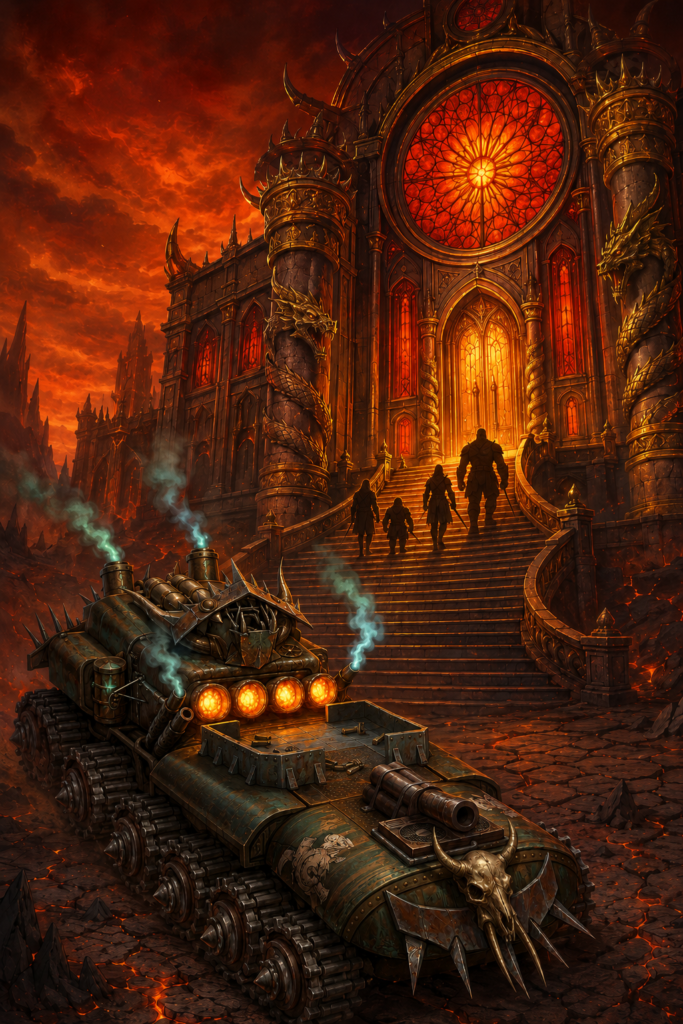
I like published adventures. They give DMs locations, characters, encounters, premises, and images that would take a huge amount of time to build from nothing.
I also rarely run them exactly as written.
That is not because I think the original material is worthless, or because every adventure needs to be “fixed.” It is because every table is different. My players care about certain things. I care about certain things. The campaign starts to become ours when I adjust the material around the experience I want to run.
Sometimes that means adding connective tissue between chapters. Sometimes it means making a villain more active. Sometimes it means changing why the characters are chasing a goal, or giving a later payoff more setup earlier in the campaign.
The goal is not to replace the adventure. The goal is to make it easier for me to run with confidence, and easier for my players to feel like the campaign is building toward something.
What I’m Sharing Here
The first project in the Grand Codex is The Race for the Rod, a free companion for Vecna: Eve of Ruin. It began as prep for my own table and grew into a more polished version that other DMs may find useful.
Future projects may be similar: companions, workbooks, notes, or original campaign material that started as something I made because I needed it for my own game.
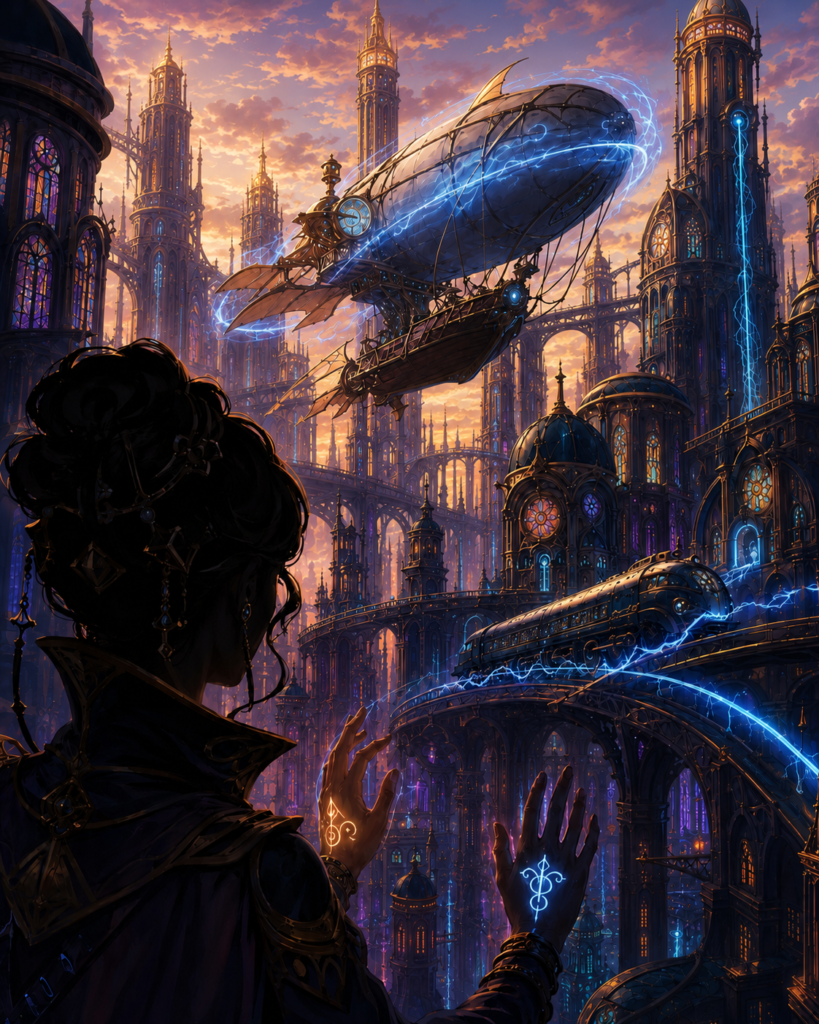
One of those longer-term projects is an Eberron campaign I am currently developing. It centers on dragonmarks, ambition, institutional power, and a villain whose public work does real good before the cost underneath it becomes impossible to ignore. The campaign is being built around investigation, heists, an airship hub, and a slow reveal that eventually changes the world rather than simply pointing the party toward a final boss.
That is the kind of work I expect this site to hold: practical table material, process notes, and eventually original projects that grew out of careful campaign prep.
I do not expect every piece here to fit every table. That is not really the point. This is a shelf for campaign work that may be useful beyond the table it was made for.
Start with what helps. Leave the rest.
Start with the first project
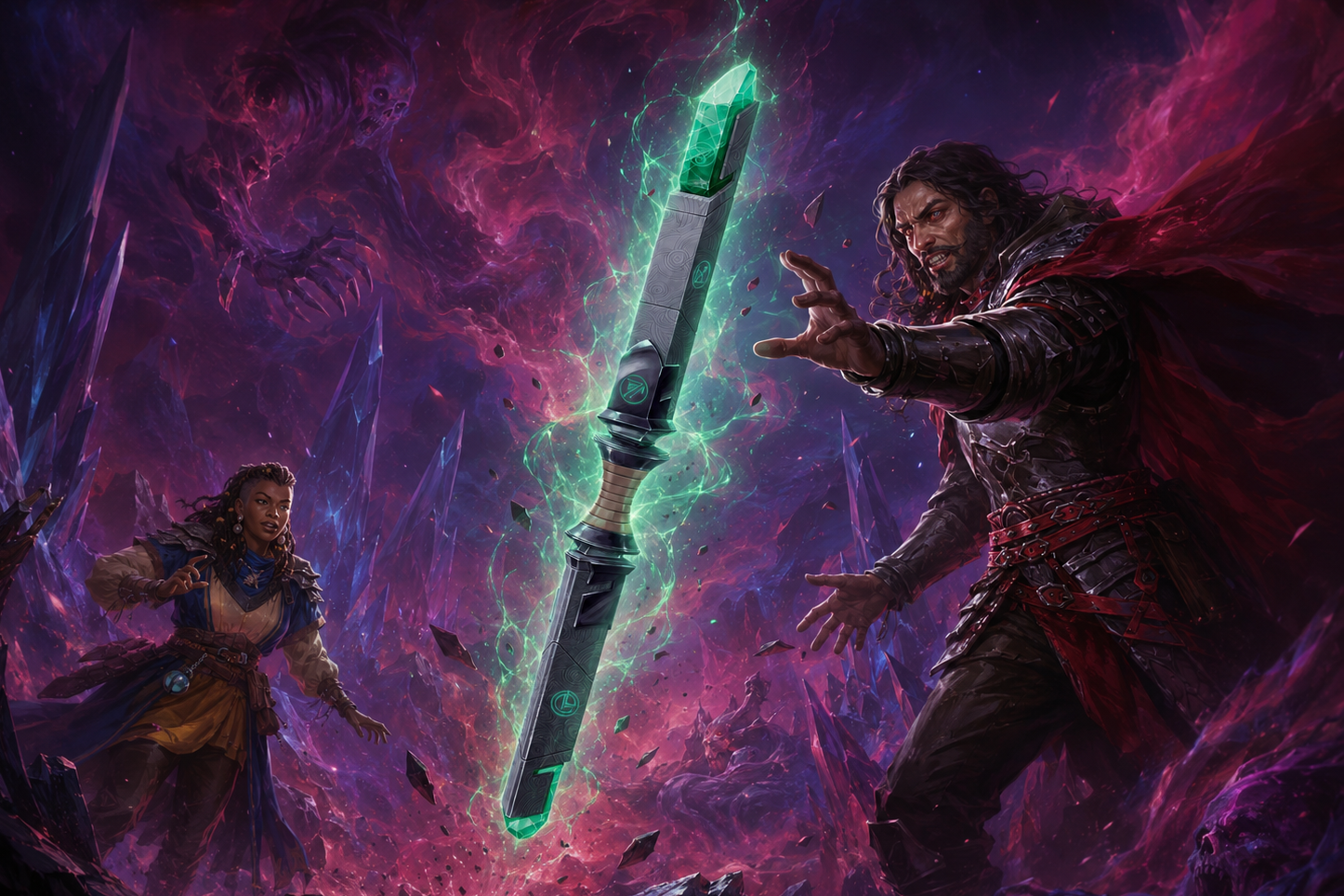
The Race for the ROD
The Race for the Rod is a free companion for Vecna: Eve of Ruin, built from my own campaign prep and focused on turning the Rod of Seven Parts into an active race against Kas.